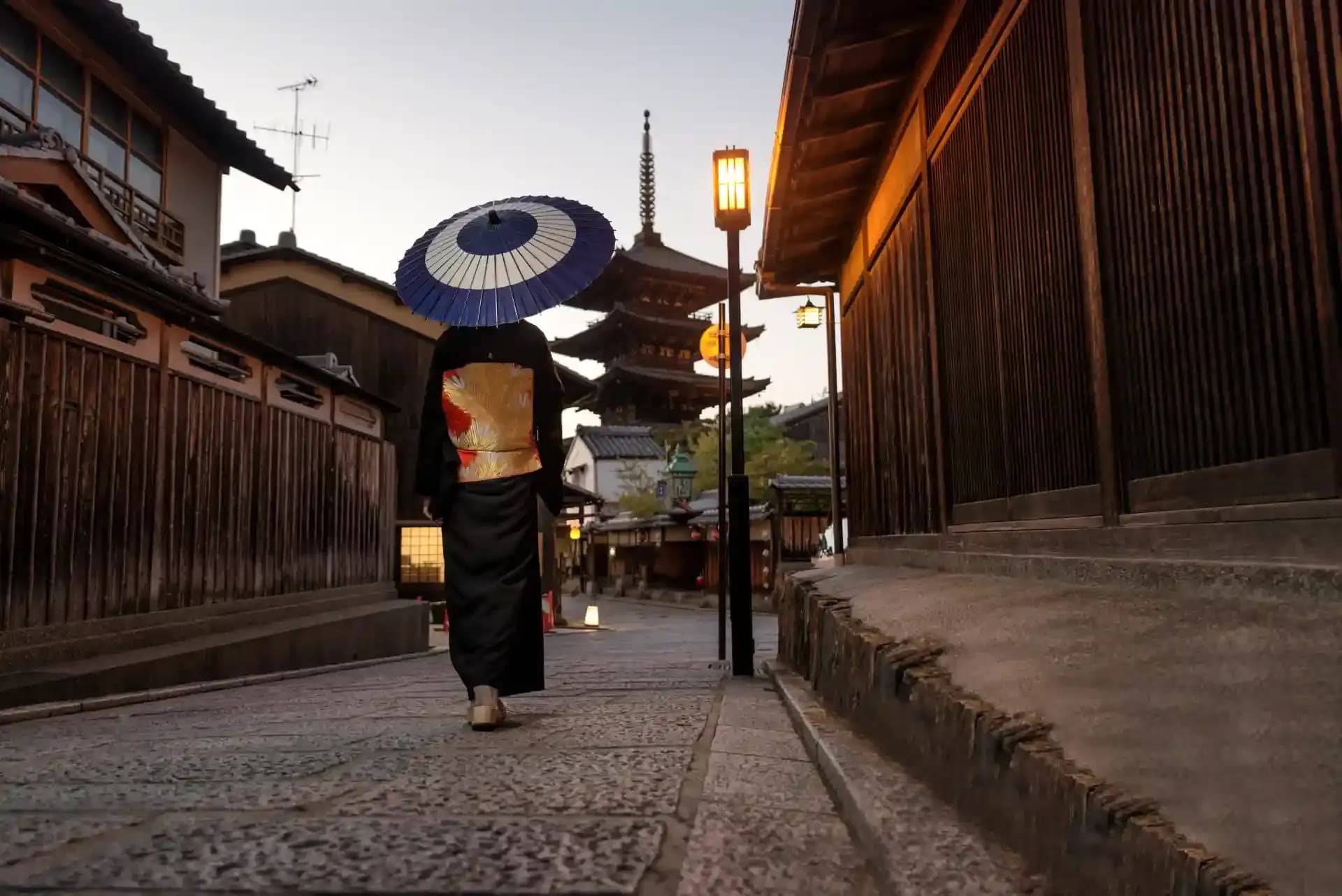
Discovering the Rich Cultural Heritage of Kyoto, Japan
Location Kyoto, once the imperial capital of Japan, is a city rich in history, culture, and tradition. Located in the Kansai region on the island of Honshu, Kyoto is often regarded as the cultural heart of Japan. The city is home to over 1,600 Buddhis
Location
How to Get There
Best Time to Go/Weather
What to Bring/What to Pack
- Comfortable Walking Shoes: Kyoto’s historic sites often require a fair amount of walking, so comfortable shoes are essential.
- Light Layers: The weather can vary, especially in spring and autumn, so packing light layers will help you stay comfortable.
- Camera: With so many beautiful sites, a good camera is a must to capture Kyoto’s scenic beauty.
- Umbrella: Rain can be unpredictable, especially in the spring and summer, so it’s wise to carry a compact umbrella.
- Cash: While credit cards are increasingly accepted, many smaller shops and restaurants still prefer cash, so it’s good to have some yen on hand.
How Long to Plan For
Where to Stay
- Budget: Piece Hostel Sanjo - A stylish and affordable hostel located in the heart of Kyoto, offering both dormitory and private rooms.
- Mid-Range: Hotel Granvia Kyoto - A comfortable hotel conveniently located above Kyoto Station, making it an excellent base for exploring the city.
- Luxury: Hoshinoya Kyoto - A luxurious ryokan situated along the scenic Oi River, offering a traditional Japanese experience with modern comforts.
Average Price
- Accommodation: Budget options range from $30-$70 USD per night, mid-range hotels from $100-$200 USD, and luxury ryokan stays from $300 USD and above.
- Meals: Dining out in Kyoto can be very affordable, with meals at local eateries typically costing $10-$20 USD. More upscale dining experiences, such as kaiseki (traditional multi-course meals), can range from $50-$150 USD or more.
- Attractions: Many temples and shrines charge a small entrance fee, usually around $3-$5 USD per site. Some gardens and museums may have higher fees, especially during special exhibitions or events.
What Makes Each Location Unique
- Fushimi Inari Taisha: Famous for its thousands of vermillion torii gates that wind up the forested slopes of Mount Inari, Fushimi Inari is one of Kyoto’s most iconic sites. The pathways lead to smaller shrines and offer breathtaking views of the city.
- Kinkaku-ji (Golden Pavilion): This Zen temple, covered in gold leaf, is one of Kyoto’s most famous landmarks. Reflected in the surrounding pond, it creates a serene and picture-perfect scene, especially in the morning light.
- Kiyomizu-dera: Perched on a hillside with sweeping views of Kyoto, Kiyomizu-dera is known for its wooden stage that juts out from the main hall. The temple is particularly stunning during the cherry blossom and autumn foliage seasons.
- Gion District: Gion is Kyoto’s famous geisha district, where you can stroll along historic streets lined with traditional wooden machiya houses. In the evening, you might catch a glimpse of a geiko (Kyoto’s term for geisha) or maiko (apprentice geisha) heading to an engagement.
- Arashiyama Bamboo Grove: Walking through the towering bamboo stalks of Arashiyama is a surreal and peaceful experience. The area is also home to the beautiful Tenryu-ji Temple and the scenic Togetsukyo Bridge.
- Nijo Castle: A UNESCO World Heritage site, Nijo Castle is a beautifully preserved example of feudal Japan’s architecture. The castle’s nightingale floors, designed to chirp when walked upon, were intended to alert against intruders.