Exploring Shipwrecks and Reefs in Coron, Philippines: An Underwater Adventure
Coron, located in the northern part of the Palawan archipelago in the Philippines, is a world-renowned destination for diving enthusiasts and marine adventurers. With its crystal-clear waters, diverse marine life, and an array of sunken World War II shipwrecks, Coron
Location
How to Get There
Best Time to Go / Weather
What to Bring / What to Pack
- Diving Gear:Most dive shops in Coron provide equipment rentals, but if you have your own, bring your mask, snorkel, fins, and wetsuit. If you’re planning multiple dives, a dive computer and underwater camera are also recommended.
- Swimwear:Bring several swimsuits, as you’ll be spending a lot of time in the water.
- Rash Guard:A rash guard or UV-protective shirt is useful for sun protection and preventing jellyfish stings.
- Sunscreen:Opt for reef-safe sunscreen to protect the marine environment.
- Dry Bag:A dry bag is essential for keeping your belongings safe and dry on boat trips.
- Waterproof Camera:Capture the vibrant underwater world with a waterproof camera or GoPro.
- Light Jacket:The evenings in Coron can be cool, so a light jacket or cover-up is recommended.
How Long to Plan For
- Day 1:Arrival and orientation in Coron town, with a possible sunset cruise or island-hopping tour.
- Days 2-4:Dive the famous shipwrecks, such as the Irako, Akitsushima, and Olympia Maru, as well as Barracuda Lake and other reef sites.
- Days 5-6:Snorkeling at nearby coral gardens, exploring more remote dive sites, or enjoying a relaxing day at the beach.
- Day 7:Departure or continue your adventure in other parts of Palawan.
Where to Stay
- Luxury Resorts:For those seeking comfort and exclusivity, luxury resorts like Two Seasons Coron Island Resort & Spa or Club Paradise Palawan offer private beaches, overwater bungalows, and full-service amenities.
- Mid-Range Hotels:Coron Town has several mid-range hotels and resorts, such as Coron Westown Resort and The Funny Lion, which provide comfortable accommodations and easy access to dive shops and restaurants.
- Budget Guesthouses:For budget travelers, there are numerous guesthouses and hostels in Coron Town offering affordable stays, such as Seahorse Guesthouse and Hop Hostel.
Average Price
- Diving:A single dive typically costs around PHP 1,500 to 2,500 (USD $30-50), including equipment rental. Dive packages and courses are available, often at discounted rates for multiple dives.
- Snorkeling Tours:Island-hopping and snorkeling tours range from PHP 1,200 to 2,000 (USD $25-40) per person, depending on the destinations and inclusions.
- Accommodation:Budget accommodations start at around PHP 1,000 (USD $20) per night, while mid-range hotels are around PHP 2,500 to 5,000 (USD $50-100) per night. Luxury resorts can range from PHP 10,000 (USD $200) and up per night.
- Meals:Expect to pay around PHP 200 to 500 (USD $4-10) per meal at local restaurants, with higher prices at resort dining establishments.
What Makes Each Location Unique
- Irako Shipwreck:This Japanese refrigeration ship, sunk during World War II, lies at a depth of 30-40 meters and is known for its intact structure and diverse marine life. It’s one of the most challenging and rewarding dives in Coron.
- Akitsushima Shipwreck:A Japanese seaplane tender, the Akitsushima is unique for its large crane, which is still visible underwater. The wreck is home to schools of barracuda, groupers, and other large fish.
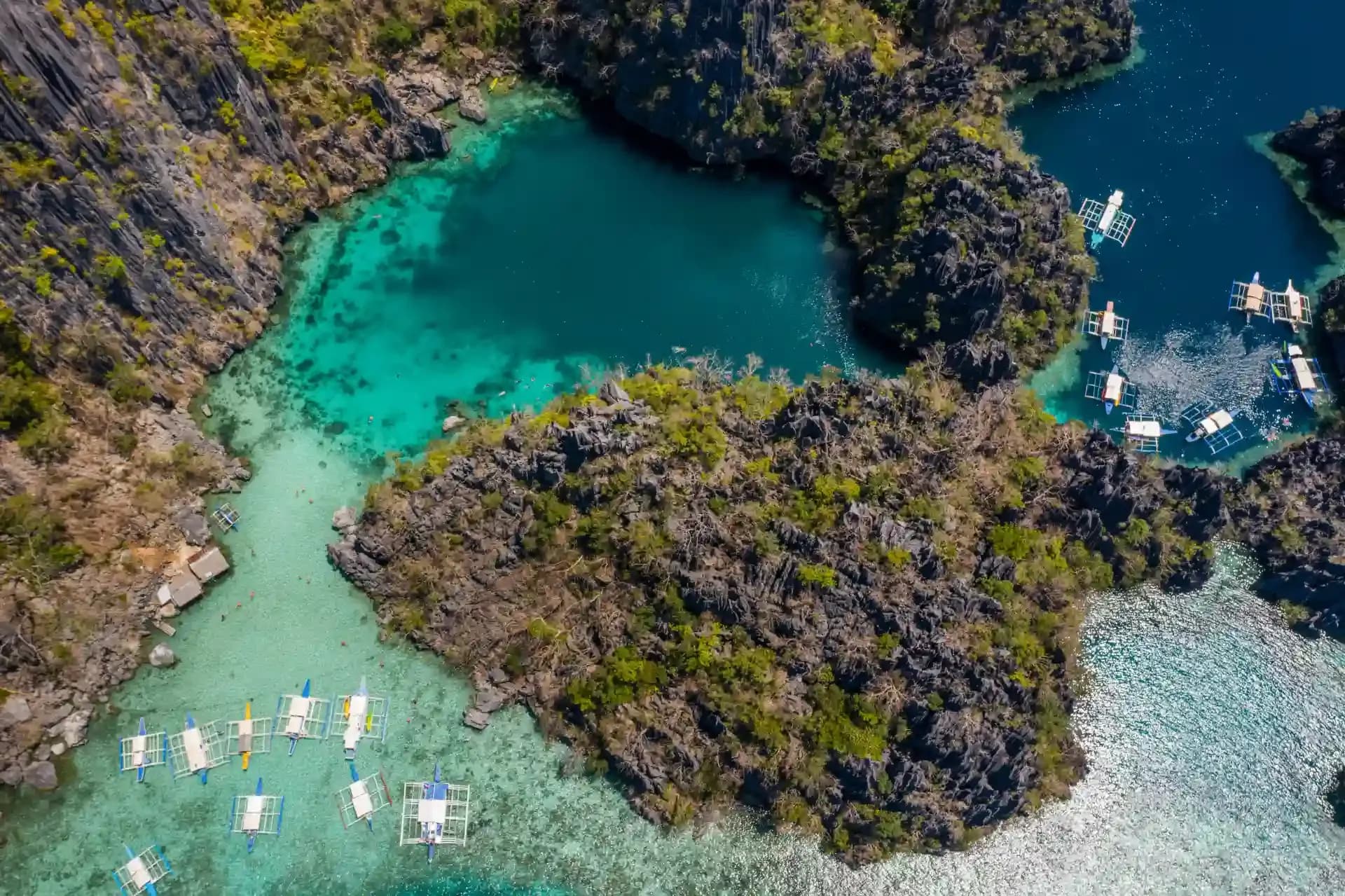
- Barracuda Lake:A thermocline lake surrounded by limestone cliffs, Barracuda Lake is known for its dramatic temperature changes and eerie underwater landscapes. It’s a popular site for both diving and freediving.
- Siete Pecados:This is a group of seven small islands surrounded by vibrant coral gardens, making it an ideal spot for snorkeling and diving. The site is teeming with colorful fish and healthy corals.
- Twin Lagoon:Accessible by boat, Twin Lagoon offers stunning scenery above and below the water. The lagoons are separated by a rock wall, and visitors can swim through a small opening or climb a ladder to reach the inner lagoon.