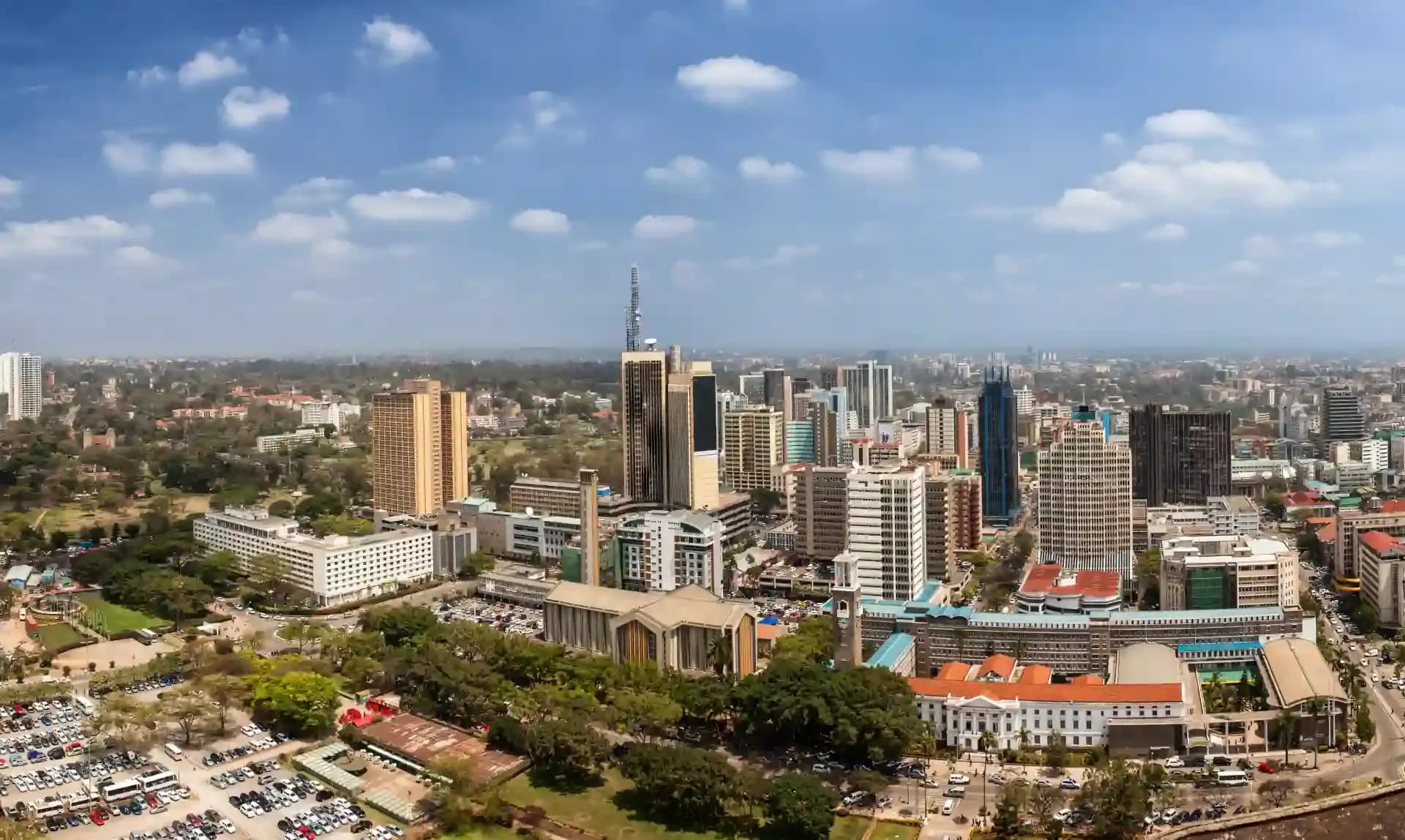
Exploring the Nairobi-Mombasa Highway in Kenya: A Comprehensive Guide
The Nairobi-Mombasa Highway in Kenya is one of the country’s most important and scenic routes, linking the bustling capital city of Nairobi with the coastal paradise of Mombasa. Stretching approximately 485 kilometers (302 miles), this road trip offers travelers stunn
Location
How to Get There
Best Time to Go / Weather
What to Bring / What to Pack
- Clothing: Light, breathable clothing is ideal for the warm coastal climate. Pack layers for cooler temperatures in Nairobi and comfortable shoes for exploring.
- Sunscreen and Hat: The sun can be intense, so protect yourself with sunscreen, sunglasses, and a wide-brimmed hat.
- Camera: With stunning landscapes and wildlife encounters, don’t forget your camera or smartphone to capture the beauty along the way.
- Water and Snacks: While there are various stops along the route, having water and snacks on hand is advisable, especially during longer stretches.
- First Aid Kit: A basic first aid kit is essential for any road trip, particularly if you plan to hike or explore remote areas.
- Map or GPS: While the highway is well-marked, having a GPS or map can help you discover hidden gems and navigate effectively.
How Long to Plan For
- Day 1: Depart from Nairobi, stopping at the scenic viewpoints along the route. Visit the town of Machakos for lunch, and then head to the Tsavo East National Park for an evening game drive. Overnight in a lodge within the park.
- Day 2: Spend the morning exploring Tsavo East, then continue your journey towards Mombasa. Stop at the historic town of Voi for lunch. Arrive in Mombasa in the late afternoon and check in to your hotel.
- Day 3: Spend the day exploring Mombasa’s rich cultural heritage, including Fort Jesus and the Old Town, and enjoy some relaxation on the beach before concluding your trip.
Where to Stay
- Nairobi: From luxury hotels to budget hostels, Nairobi offers a range of accommodations. Options like the Sarova Panafric and the Boma Nairobi provide comfort and convenience.
- Tsavo East: There are numerous lodges and tented camps within the national park, such as the Tsavo Safari Camp, which provide an authentic wildlife experience.
- Mombasa: The coastal city boasts a variety of hotels, from beachfront resorts like the Serena Beach Resort to boutique hotels in the Old Town.
Average Price
- Accommodation: Budget options may start at KES 3,000-7,000 per night, while mid-range hotels typically range from KES 7,000-15,000. Luxury resorts can cost KES 15,000 and above.
- Fuel: Expect to spend around KES 4,000-6,000 on fuel for the entire trip, depending on your vehicle.
- Food: Casual dining options range from KES 500-1,500, while upscale restaurants might charge KES 2,000-4,000 per meal.
- Attractions: Entry fees for national parks, such as Tsavo, can range from KES 1,000-3,000 per person.
What Makes Each Location Unique
- Machakos: Known for its rolling hills and scenic landscapes, Machakos is a great spot to relax and enjoy local cuisine.
- Tsavo East National Park: One of Kenya's largest national parks, Tsavo East is renowned for its diverse wildlife, including elephants, lions, and a variety of bird species.
- Voi: This town serves as a gateway to Tsavo East, with charming local markets and views of the surrounding hills.
- Mombasa: A vibrant coastal city, Mombasa is rich in history and culture, with sites like Fort Jesus and the Old Town reflecting its diverse heritage.