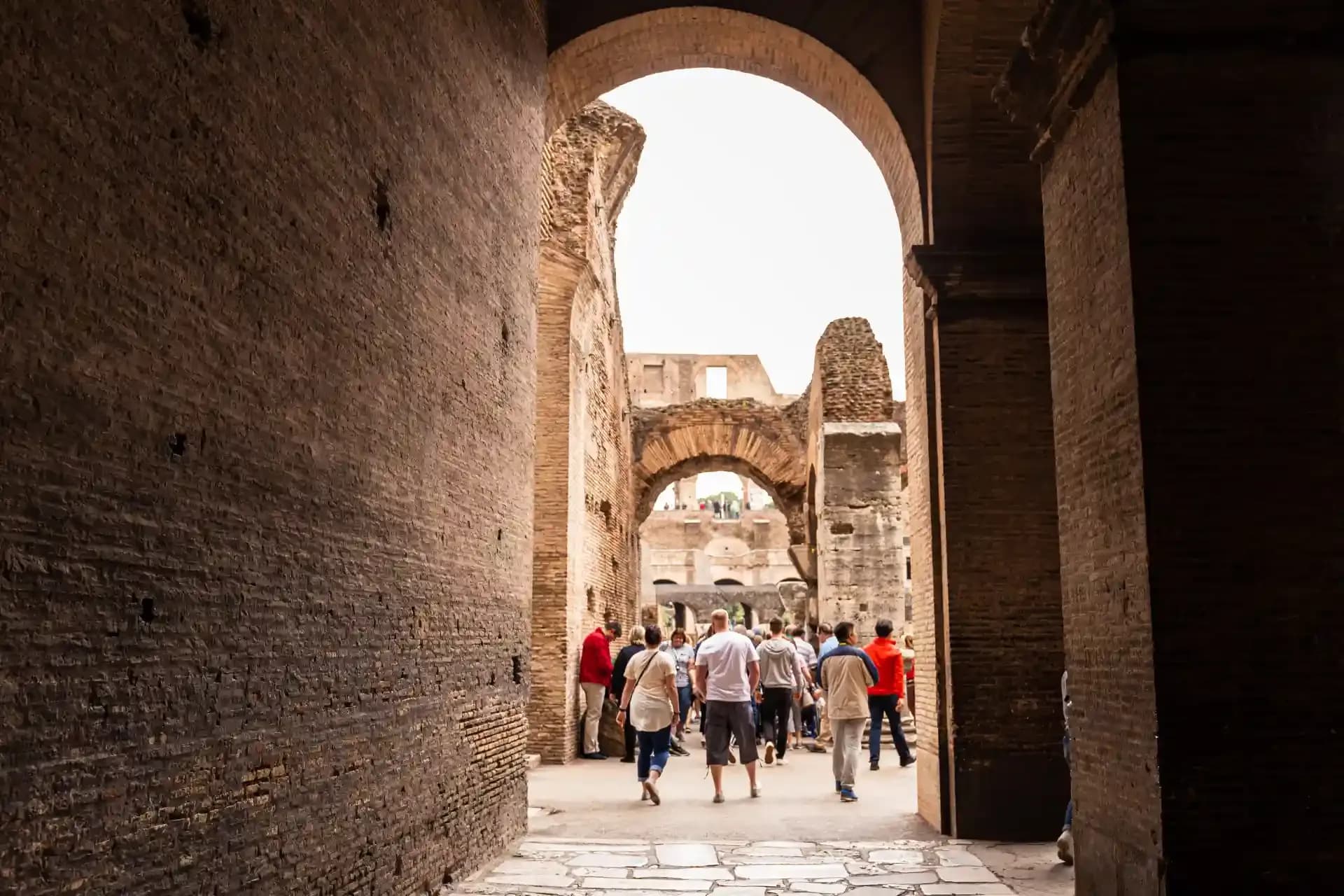
Exploring Walking Through the Historic Streets of Rome, Italy
Location Rome, the capital of Italy, is a city steeped in history, art, and culture. Often referred to as "The Eternal City," Rome is a living museum where ancient ruins stand alongside Renaissance palaces and modern-day life buzzes through narrow cob
Location
How to Get There
Best Time to Go/Weather
What to Bring/What to Pack
- Comfortable Walking Shoes: Rome is a city meant to be explored on foot, so sturdy, comfortable shoes are essential for navigating the cobblestone streets.
- Light Layers: The weather in Rome can vary, especially in spring and fall, so packing light layers is advisable.
- Sun Protection: If visiting during the warmer months, bring sunglasses, a hat, and sunscreen to protect yourself from the sun.
- Portable Charger: With so many photo-worthy spots, you'll likely be using your phone often, so a portable charger can keep your devices powered throughout the day.
- Guidebook or Map: While Rome is relatively easy to navigate, a guidebook or map can help you discover hidden gems and understand the historical significance of various sites.
How Long to Plan For
Where to Stay
- Budget: Alessandro Palace & Bar - A well-known hostel offering clean rooms and a social atmosphere, located near Termini Station.
- Mid-Range: Hotel Campo De' Fiori - A boutique hotel with a rooftop terrace offering stunning views of the city, located in the heart of Rome.
- Luxury: Hotel de Russie - A five-star hotel with a luxurious spa and garden, located near Piazza del Popolo.
Average Price
- Accommodation: Budget options range from $30-$70 USD per night, mid-range hotels from $100-$200 USD, and luxury hotels from $300 USD and above.
- Meals: Dining out in Rome can be as affordable or as luxurious as you like. A meal at a mid-range restaurant typically costs $15-$30 USD, while a more upscale dining experience may range from $50-$100 USD or more.
- Attractions: Many historic sites like the Pantheon are free to enter, while others, like the Colosseum and Vatican Museums, have entrance fees ranging from $15-$25 USD.
What Makes Each Location Unique
- Colosseum: This iconic symbol of Rome was once the largest amphitheater in the Roman Empire, hosting gladiatorial contests and public spectacles. Walking through its ancient corridors offers a glimpse into Rome's imperial past.
- Roman Forum: The political and social heart of ancient Rome, the Forum is a sprawling complex of ruins that includes temples, basilicas, and government buildings. Exploring its historic streets offers a vivid picture of everyday life in ancient Rome.
- Pantheon: One of Rome’s best-preserved ancient buildings, the Pantheon is a marvel of engineering with its massive dome and oculus. Its harmonious proportions and stunning interior make it a must-visit site.
- Vatican City: As the smallest independent state in the world, Vatican City is home to the Pope and houses some of the most significant art collections in the world, including Michelangelo’s Sistine Chapel ceiling.
- Trastevere: This charming neighborhood on the west bank of the Tiber River is known for its narrow, winding streets, ivy-covered buildings, and vibrant nightlife. It offers a more local and authentic experience of Rome.
- Piazza Navona: A grand square built on the site of an ancient stadium, Piazza Navona is famous for its stunning Baroque fountains, including Bernini's Fountain of the Four Rivers, and its lively atmosphere with street artists and cafes.