Marrakech
Introduction Marrakech, known as the “Red City” of Morocco, is a captivating blend of old-world charm and modern vibrancy. With its bustling souks, stunning palaces, and enchanting gardens, Marrakech is a city where history and culture come alive. Whe
Introduction
How to Get There
Weather Overview
- Spring (March to May):Pleasant temperatures, making it a great time to explore the city.
- Summer (June to August):Hot and dry, with temperatures often exceeding 38°C (100°F). Early mornings and evenings are cooler.
- Fall (September to November):Warm and comfortable, ideal for sightseeing.
- Winter (December to February):Mild with cool nights, perfect for exploring without the crowds.
Best Time to Go
Top Things to Do
- Jemaa el-FnaaThe vibrant heart of Marrakech, this bustling square is filled with street performers, food stalls, and market vendors. It’s a must-see for every visitor.
- Majorelle GardenA beautiful garden designed by French painter Jacques Majorelle, later owned by Yves Saint Laurent. It’s a peaceful oasis amidst the hustle and bustle of the city.
- Bahia PalaceA stunning 19th-century palace showcasing Moroccan architecture with intricate details and beautiful gardens.
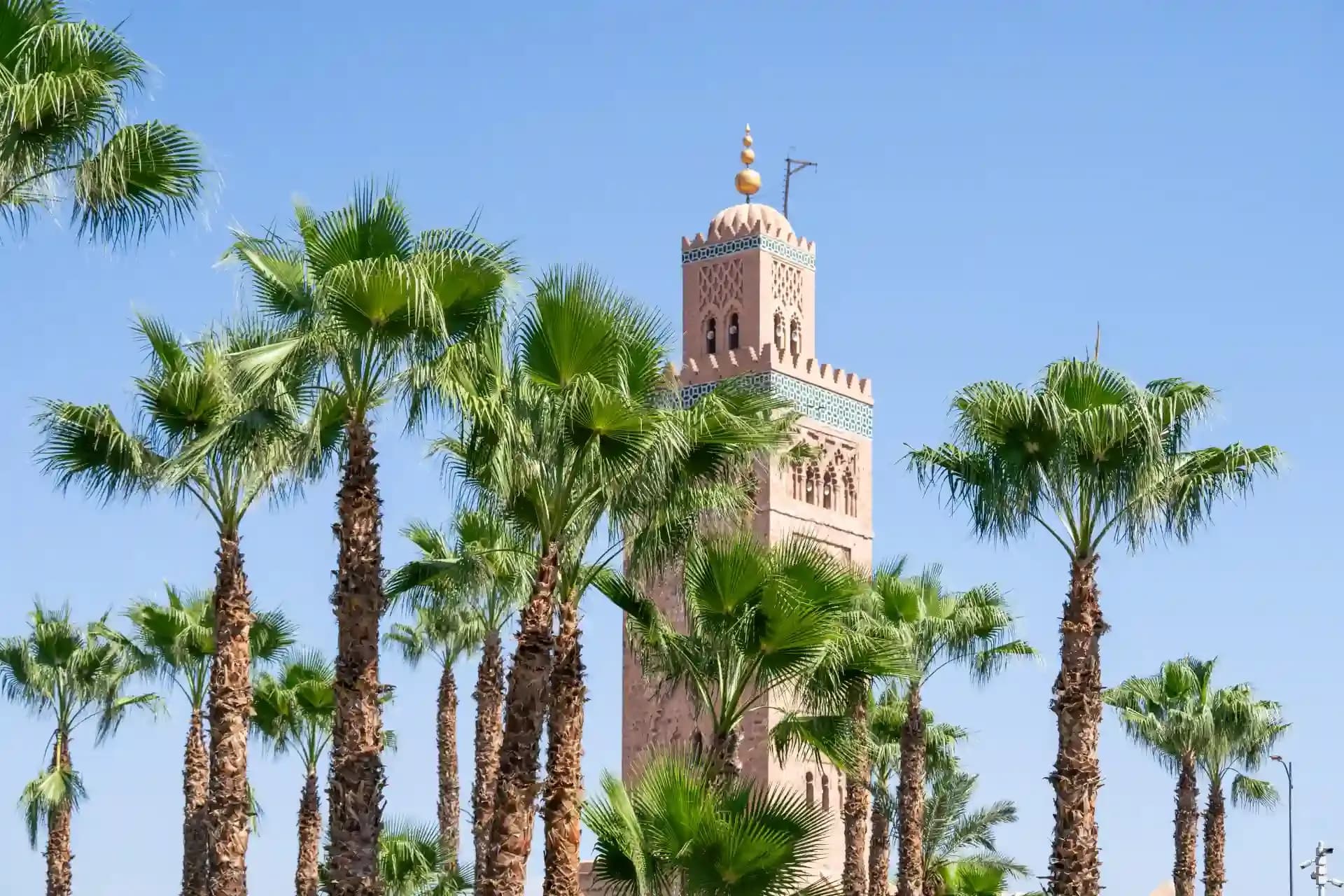
- Koutoubia MosqueThe largest mosque in Marrakech, known for its towering minaret that dominates the city skyline. Non-Muslims can admire it from the outside.
- Saadian TombsThese historic tombs date back to the Saadian dynasty and are a fascinating glimpse into Marrakech’s rich history.
Foods to Eat
- TagineA traditional Moroccan dish cooked in a clay pot, available in various flavors such as lamb with prunes or chicken with preserved lemons. Try it at local eateries like Dar Yacout.
- CouscousMorocco’s national dish, typically served with vegetables and meat. Fridays are traditional couscous days, and you can find it in most restaurants.
- PastillaA savory-sweet pie made with layers of thin pastry, stuffed with pigeon or chicken, almonds, and spices. It’s a must-try at upscale restaurants like Al Fassia.
- HariraA traditional Moroccan soup made with lentils, chickpeas, and tomatoes, often eaten during Ramadan. Sample it at local cafes or street stalls.
- ChebakiaA sweet, sesame-coated pastry, typically enjoyed during Ramadan. Find it at local bakeries throughout the city.
Cultural Tips for Tourists
- Local Customs and EtiquetteMoroccans are known for their hospitality, and it’s customary to greet people with a smile and a friendly “Salam.” Dress modestly, especially in religious or rural areas. Public displays of affection are generally frowned upon.
- Language TipsWhile Arabic and Berber are the official languages, French is widely spoken in Marrakech. English is common in tourist areas, but learning a few basic Arabic phrases like “Shukran” (thank you) is appreciated.
- Haggling and ShoppingHaggling is expected in Marrakech’s souks (markets). Start with an offer around half of the asking price and negotiate from there. It’s all part of the experience, so enjoy the process.
- Religious and Cultural ObservancesBe mindful of Islamic customs, especially during Ramadan when eating, drinking, or smoking in public during daylight hours is considered disrespectful. Always ask permission before photographing people, particularly women.
- Tipping PracticesTipping (known as “baksheesh”) is customary in Morocco. In restaurants, leave around 10-15% of the bill. Small tips are also appreciated for services like porters, guides, and taxi drivers.
Travel Tips from Locals
- Hidden GemsVisit the Secret Garden (Le Jardin Secret) in the medina, a lesser-known oasis that offers tranquility away from the busy streets.
- Best Times to Visit Popular SpotsHead to Jemaa el-Fnaa in the early evening to see the square come alive with entertainers and food vendors.
- Dining EtiquetteMeals in Morocco are often communal, and it’s polite to eat with your right hand. Try local street food like snails and harira at the night market for an authentic experience.
- Safety TipsMarrakech is generally safe, but be cautious of pickpockets in crowded areas. Stick to well-lit streets at night and avoid isolated areas.
- Navigating the CityThe medina can be confusing, so consider hiring a local guide to help you navigate the narrow streets and discover hidden gems.
Budget
- Hostel Stay:$60 - $100
- Hotel Stay:$150 - $300
- Meals:$7 - $15 per day
- Local Transportation:$10 - $25 per week
Weekend Plan
- Day 1:Start your day at the Majorelle Garden, then visit the Koutoubia Mosque. Spend the evening exploring Jemaa el-Fnaa and enjoy a traditional Moroccan dinner at a local restaurant.
- Day 2:Visit the Bahia Palace in the morning, followed by a trip to the Saadian Tombs. In the afternoon, take a leisurely walk through the medina and shop in the souks.
- Day 3:Spend your final day exploring the Atlas Mountains on a day trip or relaxing in a hammam (traditional Moroccan spa) before heading back to the city.