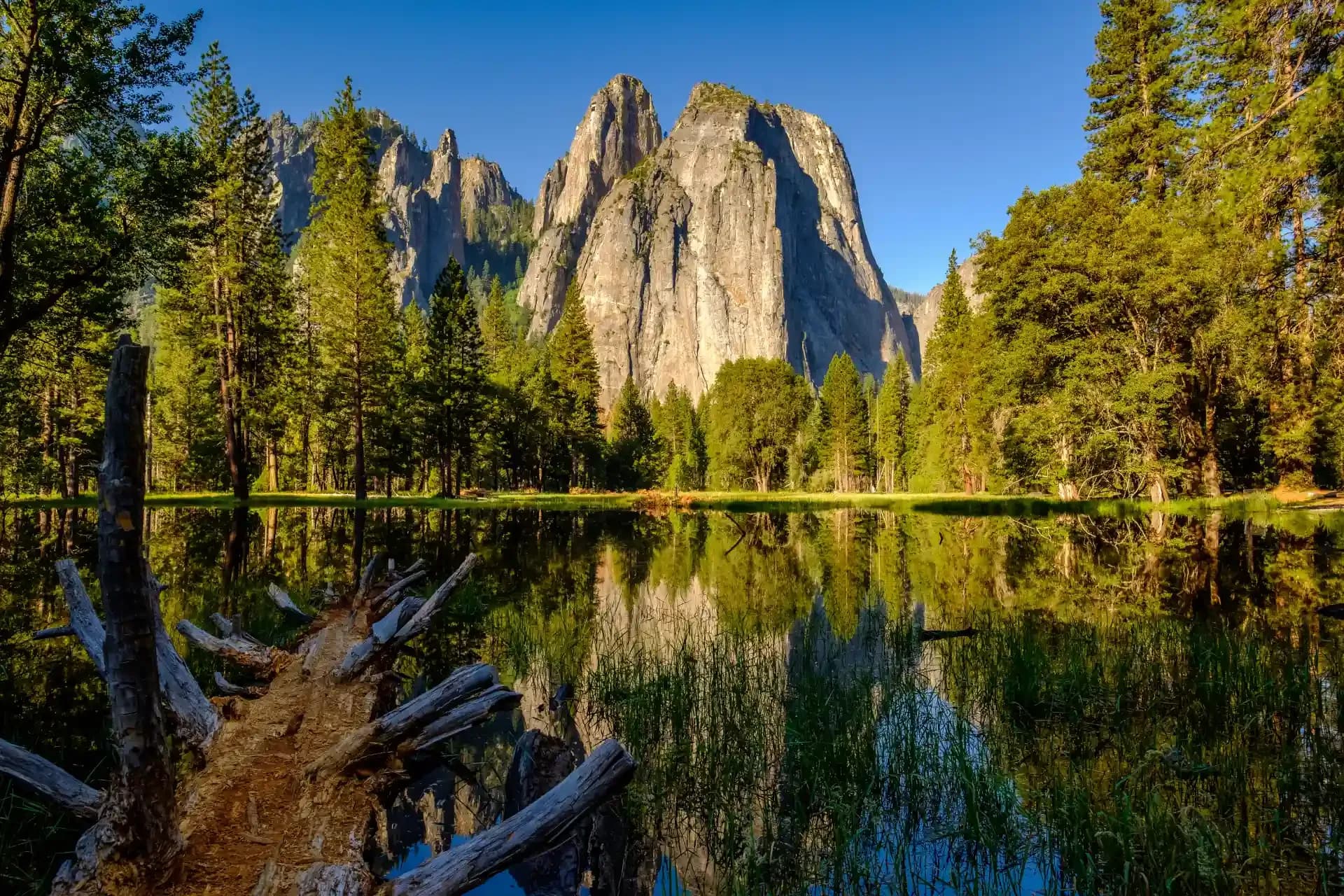
Rock Climbing in Yosemite: A Complete Guide
Yosemite National Park, located in California’s Sierra Nevada mountains, is a rock climber’s paradise. Known for its towering granite cliffs, challenging routes, and breathtaking landscapes, Yosemite offers some of the most iconic climbing experiences in the world. Wh
Location
How to Get There
Best Time to Go
What to Bring
- Climbing Gear:Bring a well-fitting climbing harness, climbing shoes, chalk bag, helmet, and a belay device. If you’re planning to do trad climbing, you’ll need a full rack of cams, nuts, slings, and carabiners. For multi-pitch climbs, a rope of at least 60 meters is recommended.
- Clothing:Dress in layers, as temperatures can vary throughout the day. Moisture-wicking base layers, a fleece or insulated jacket, and a waterproof shell are essential. Don’t forget a hat and sunglasses to protect against the sun.
- Footwear:Approach shoes or sturdy hiking boots are necessary for getting to the base of climbs, especially on rough terrain.
- Camping Gear:If you’re staying overnight in the park, bring a tent, sleeping bag rated for the season, and a sleeping pad. Consider a lightweight stove and cookware if you plan on preparing your meals.
- Other Essentials:A daypack, sunscreen, a first-aid kit, a headlamp, and plenty of water are must-haves. A guidebook or climbing topo specific to Yosemite is also highly recommended.
How Long to Plan For
- Weekend Trip:Perfect for bouldering or single-pitch climbs.
- 3-5 Days:Ideal for multi-pitch routes and exploring different areas within Yosemite Valley.
- 1-2 Weeks:Necessary for big wall climbs and more in-depth exploration of the park’s climbing offerings.
Where to Stay
- Campgrounds:For climbers, Camp 4 is the most iconic camping spot. It’s located near the base of El Capitan and is known as the birthplace of modern rock climbing. It’s a first-come, first-served campground, so arrive early to secure a spot. Other campgrounds, like North Pines and Upper Pines, can be reserved in advance.
- Lodges:If you prefer more comfort, the Yosemite Valley Lodge and The Ahwahnee offer hotel-style accommodations within the park. These options fill up quickly, so book well in advance.
- Backcountry Camping:For multi-day climbs, you may need to camp on the wall or in the backcountry. Be sure to obtain the necessary permits and follow Leave No Trace principles.
Average Price
- Accommodation:Campgrounds range from $6-26 per night, while lodges can cost anywhere from $150-500 per night.
- Park Entry Fees:The entrance fee for Yosemite is $35 per vehicle for a seven-day pass.
- Guided Tours:If you’re new to climbing or want to tackle a challenging route with professional guidance, consider hiring a guide. Prices range from $250-500 per day, depending on the service and climb.
What Makes Each Location Unique
- El Capitan:The most famous rock formation in Yosemite and perhaps the world, El Capitan’s sheer granite face is a climber’s dream. The Nose route is the most iconic, offering 3,000 feet of challenging climbing. El Capitan draws climbers from around the globe looking to test their skills on its vertical walls.
- Half Dome:Another Yosemite icon, Half Dome offers the Regular Northwest Face route, a classic big wall climb. The combination of technical climbing and incredible views makes this a must-do for experienced climbers.
- Cathedral Spires:These towering granite spires are a favorite for multi-pitch climbers. The Cathedral Peak route is particularly popular for its moderate difficulty and stunning views.
- Tuolumne Meadows:Located at a higher elevation, Tuolumne Meadows offers a different climbing experience with domes, slabs, and alpine routes. It’s less crowded than Yosemite Valley and provides a serene climbing environment.
Conclusion
You Might Also Like
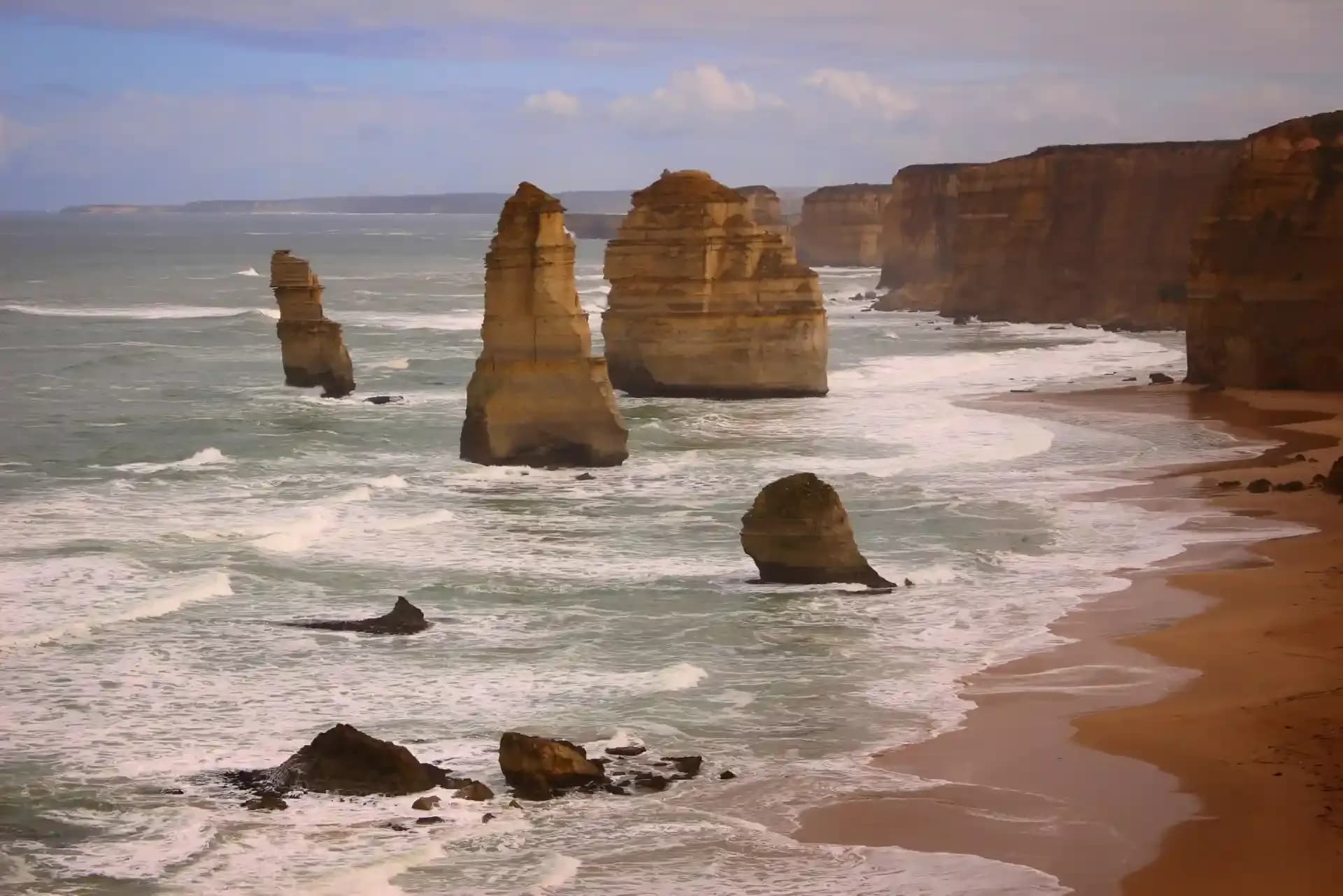
Driving the Great Ocean Road in Victoria, Australia: A Comprehensive Guide
The Great Ocean Road in Victoria, Australia, is one of the world’s most scenic coastal drives, offering breathtaking views, iconic landmarks, and charming coastal towns. Stretching 243 kilometers (151 miles) from Torquay to Allansford, this road trip takes you along t
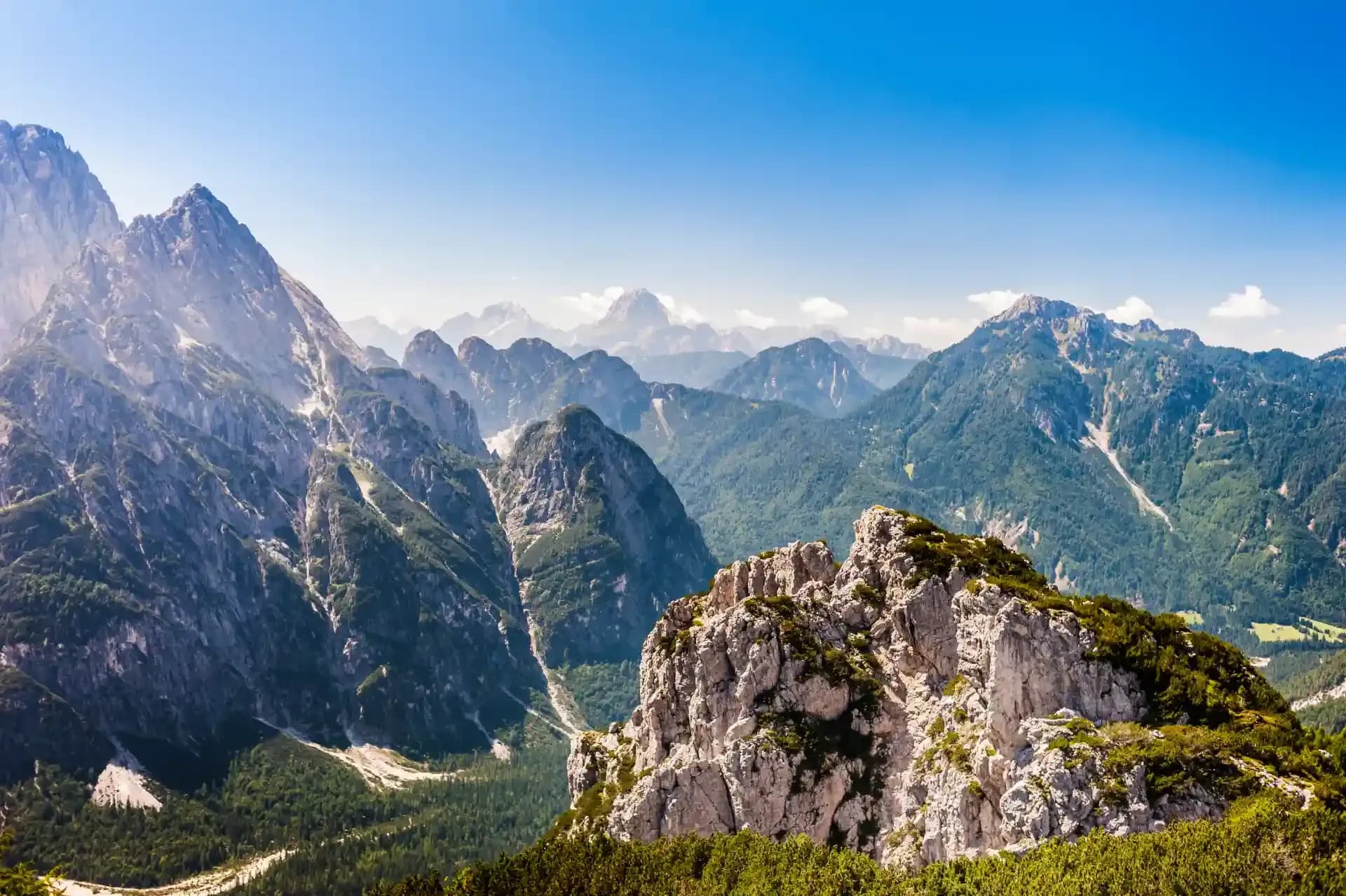
Trekking in the Dinaric Alps, Bosnia
The Dinaric Alps, a breathtaking mountain range stretching across Southern Europe, offer some of the most untouched and stunning landscapes in Bosnia. Known for their dramatic peaks, lush valleys, and pristine rivers, the Dinaric Alps are a paradise for trekking enthu
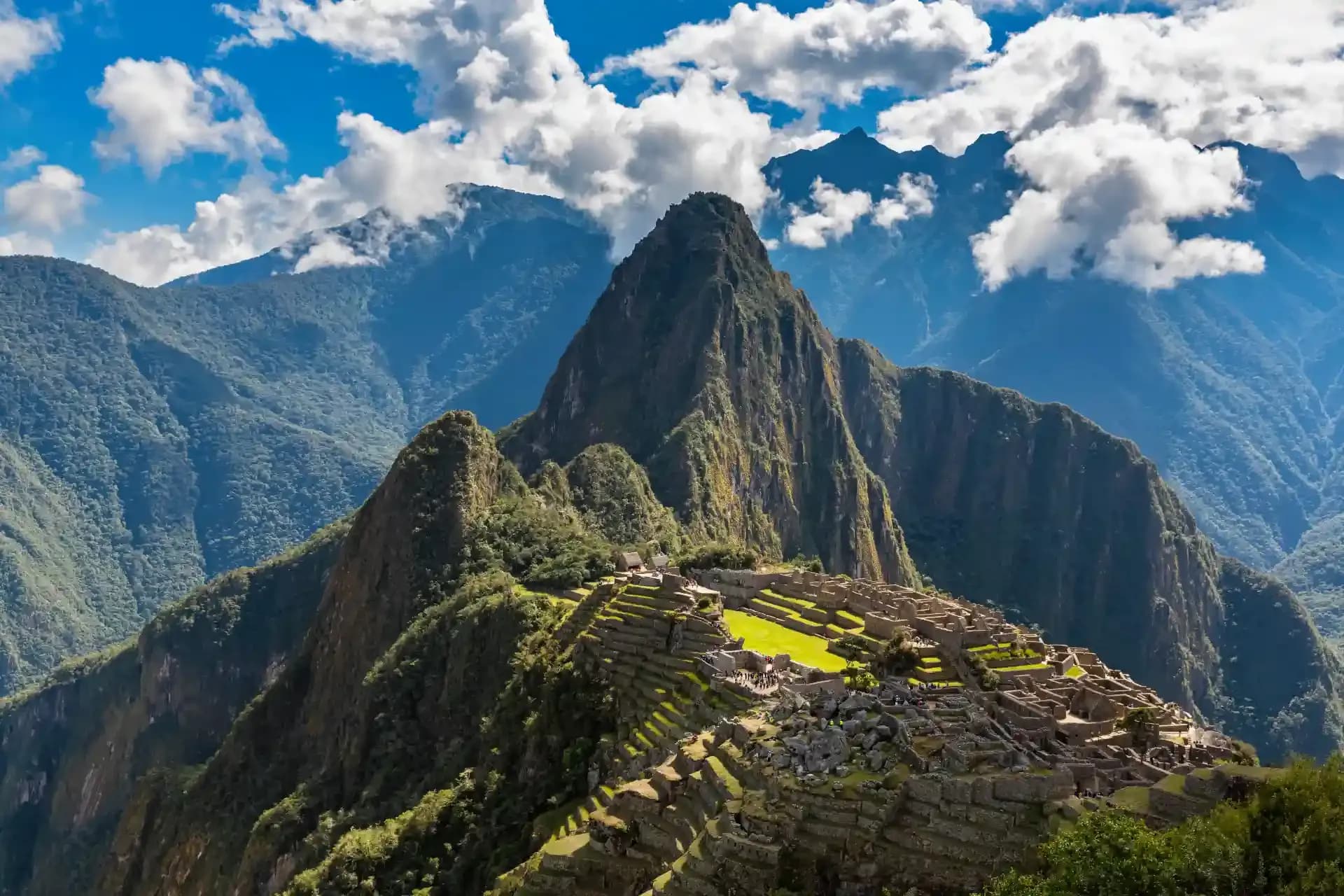
Hiking the Inca Trail to Machu Picchu: A Comprehensive Guide
The Inca Trail to Machu Picchu is one of the most iconic and sought-after treks in the world. Winding through the breathtaking Andean mountains, cloud forests, and ancient Incan ruins, this trail offers a unique blend of natural beauty, cultural history, and spiritual