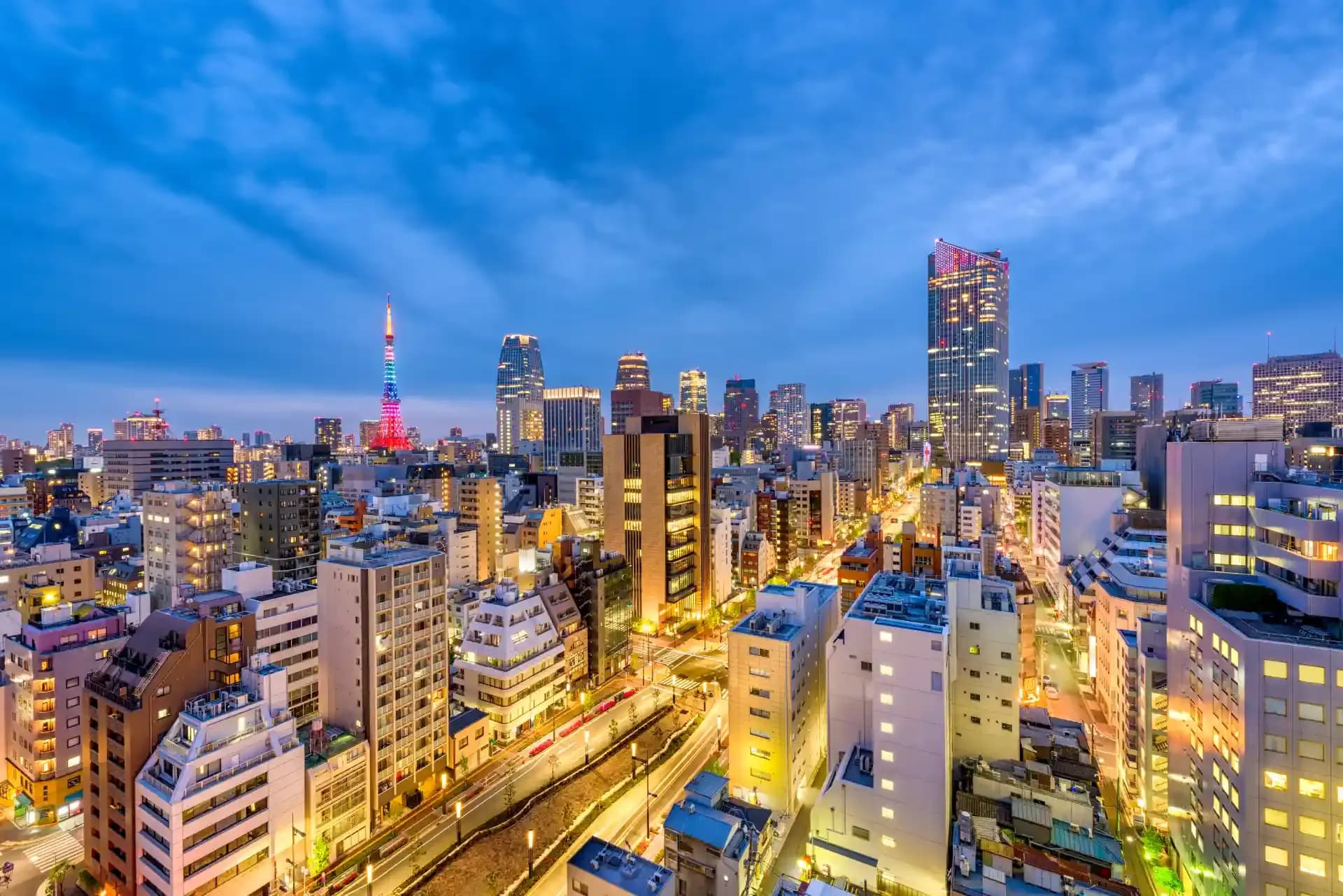
Tokyo: Your Ultimate Travel Guide
Introduction Tokyo, the bustling capital of Japan, is a city where ancient traditions blend seamlessly with cutting-edge modernity. Known for its towering skyscrapers, serene temples, and vibrant street life, Tokyo is a cultural powerhouse that offers someth
- Spring (March-May):Pleasant weather with cherry blossoms in full bloom, temperatures between 10-20°C (50-68°F).
- Summer (June-August):Hot and humid, with temperatures around 25-30°C (77-86°F). Expect occasional rain and the Obon festival in mid-August.
- Autumn (September-November):Mild temperatures between 15-25°C (59-77°F) with beautiful autumn foliage.
- Winter (December-February):Mild and dry with temperatures around 5-10°C (41-50°F). Snow is rare.
- Spring/Autumn:Light layers and comfortable walking shoes.
- Summer:Breathable clothing, a hat, and sunscreen.
- Winter:A warm coat, gloves, and a scarf.
- Cherry Blossom Festival:Late March to early April.
- Sumida River Fireworks Festival:Last Saturday in July.
- Shichi-Go-San Festival:November 15, celebrating the growth of children.
- Senso-ji TempleVisit Tokyo’s oldest temple, located in Asakusa, known for its vibrant market street, Nakamise-dori. Arrive early to avoid crowds.
- Shibuya CrossingExperience the world’s busiest pedestrian crossing in Shibuya, a symbol of Tokyo’s dynamic energy. Visit at night for the full neon-lit experience.
- Tokyo SkytreeTake in panoramic views of the city from Tokyo Skytree, the tallest structure in Japan. Visit on a clear day for a view of Mount Fuji.
- Meiji ShrineImmerse yourself in the serene beauty of Meiji Shrine, located in a forested area in Shibuya. It’s a peaceful retreat from the bustling city.
- Tsukiji Outer MarketExplore Tokyo’s famous fish market, where you can sample fresh sushi and seafood. Visit early in the morning to see the lively market in action.
- SushiA quintessential Tokyo experience, sushi is best enjoyed at a conveyor belt sushi restaurant or a high-end sushi bar. Try Sushi Dai at Tsukiji Market.
- RamenWarm up with a bowl of ramen, a savory noodle soup. Ichiran and Ippudo are popular chains known for their rich broth and tender noodles.
- TempuraCrispy, deep-fried seafood and vegetables, tempura is a must-try. Visit Tempura Tsunahachi for an authentic experience.
- YakitoriGrilled chicken skewers, yakitori are a popular street food. Omoide Yokocho in Shinjuku is famous for its yakitori stalls.
- TonkatsuBreaded and deep-fried pork cutlet, tonkatsu is a hearty dish served with cabbage and rice. Tonkatsu Maisen is a top spot to try it.
- Local Customs and EtiquettePoliteness is key in Japan. Bowing is a common greeting, and it’s important to remove your shoes when entering someone’s home or certain traditional establishments.
- Language TipsWhile English is spoken in tourist areas, learning a few Japanese phrases like "Arigato" (thank you) and "Sumimasen" (excuse me) will be appreciated.
- Haggling and ShoppingHaggling is not common in Japan. Prices are generally fixed, especially in stores. Consider purchasing traditional items like kimonos, tea sets, and anime merchandise.
- Religious and Cultural ObservancesTokyo is home to many Shinto shrines and Buddhist temples. Visitors should be respectful, dress modestly, and follow any posted rules.
- Tipping PracticesTipping is not customary in Japan and can even be considered rude. Exceptional service is the norm, and no additional tip is required.
- Hidden GemsVisit Yanaka, a quaint neighborhood that escaped the bombings of World War II, for a glimpse of old Tokyo with traditional houses and narrow streets.
- Best Times to Visit Popular SpotsTo avoid crowds at Senso-ji, visit early in the morning or later in the evening. Shibuya Crossing is less busy in the late evening.
- Dining EtiquetteSlurping your noodles is not only acceptable but encouraged—it shows you’re enjoying the meal. Avoid talking loudly in restaurants.
- Safety TipsTokyo is one of the safest cities in the world, but it’s wise to keep an eye on your belongings in crowded areas. Avoid the red-light districts late at night.
- Navigating the CityUse Google Maps for easy navigation. The Yamanote Line is a loop line that stops at many of Tokyo’s major attractions.
- Morning: Visit Senso-ji Temple and explore Asakusa.
- Afternoon: Head to Akihabara for electronics and anime shopping.
- Evening: Experience the neon lights of Shibuya Crossing and have dinner at a sushi bar.
- Morning: Take a stroll through Meiji Shrine and Yoyogi Park.
- Afternoon: Visit Tokyo Skytree for panoramic views.
- Evening: Enjoy dinner at an izakaya in Shinjuku and explore the nightlife.
- Morning: Visit Senso-ji Temple and Asakusa.
- Afternoon: Explore Ueno Park and its museums.
- Evening: Walk through Shibuya Crossing and dine at a ramen shop.
- Morning: Visit Meiji Shrine and Harajuku.
- Afternoon: Shopping in Shinjuku and a visit to the Tokyo Metropolitan Government Building.
- Evening: Dinner in Shinjuku and bar hopping in Golden Gai.
- Morning: Visit Tsukiji Outer Market.